Droid: A Full Review After Two Months of Heavy Useدرويد: مراجعة كاملة بعد شهرين من الاستخدام المكثف
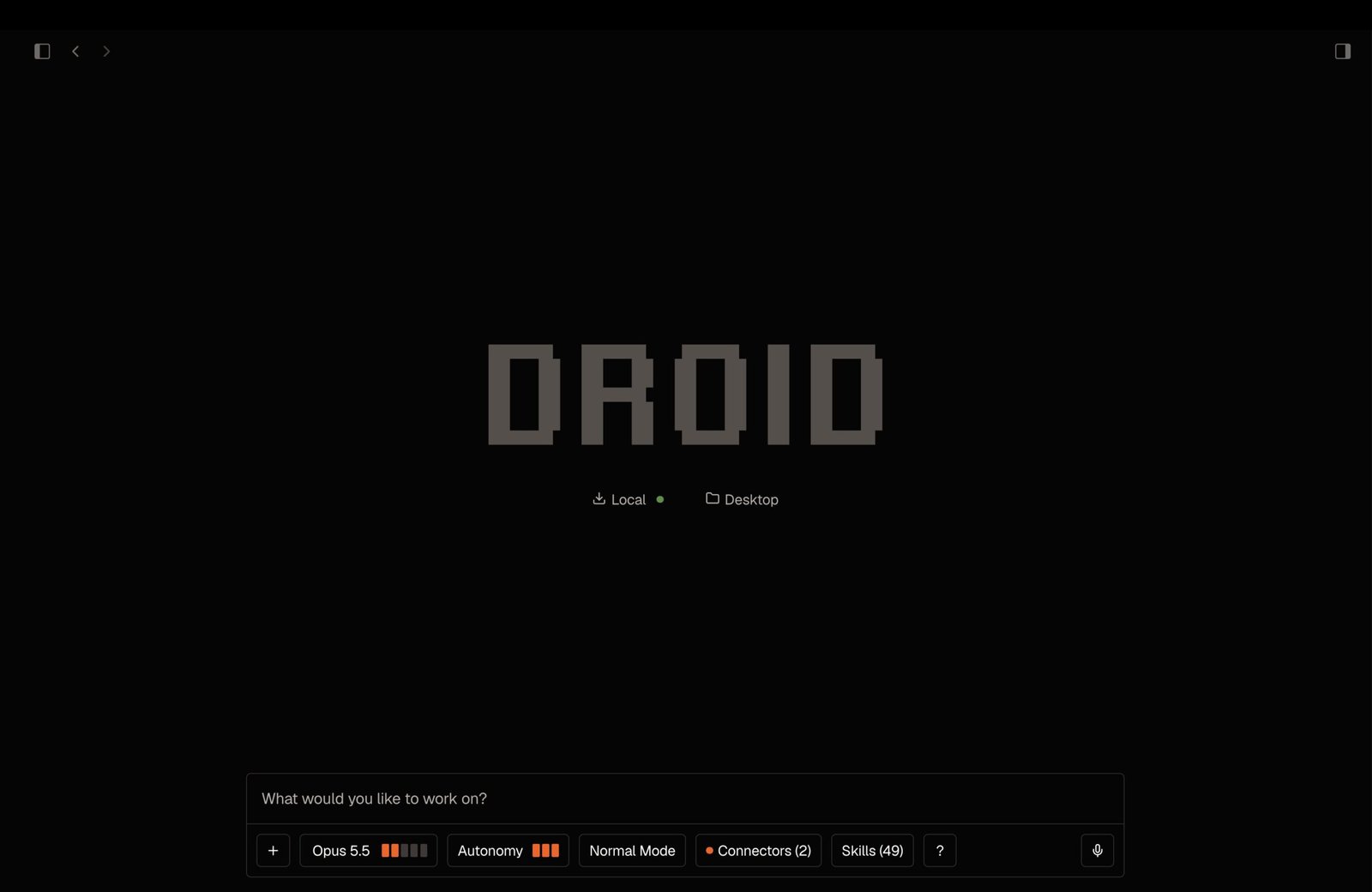
After using Droid heavily for about two months, it is finally time for a full review.
As always, this is completely independent. Not paid, not sponsored. I will break down exactly what worked, what did not, and where I stand after two months of serious use. I started on the Pro plan, then upgraded to Max once I decided to lean into it much harder. Having spent real time on both tiers gives me a solid baseline to compare them.
Usage limits
This is usually what people care about first. How generous is the subscription? Can you actually rely on it all week, or will you burn through your quota in two days and get stuck?
Droid has one of the smartest setups I have seen for this. You basically get two separate usage pools. The first is your main allowance, which gives you access to the full model roster: Claude models, GPT models, Grok, and open models like Kimi K3. Once you hit the five-hour cap or your weekly standard allowance, Droid Core kicks in.
Droid Core is a separate pool built around strong open models like Kimi K3, Qwen 3.8 Max, and GLM 5.3. I love this system because you always have a safety net. Even if you chew through your primary quota, you can still keep working on light and medium tasks until it resets.
On Max, Droid Core is remarkably generous. Even on Pro, the allowance holds up well. If you stick to open weights and cheaper options like Sol and Luna, that $20 tier gives you actual breathing room. You can genuinely rely on it throughout the week.
Max is where things get wild. Ever since Opus 5.5 dropped, I have run it relentlessly inside Droid. I have had sessions running past nine hours, sometimes longer on single projects, without hitting a wall. Keep in mind, this was Opus 5.5 running at Max effort. At points, it honestly felt like using Opus directly inside Claude’s own subscription. The allowance is that generous.
If you drop down to cheaper models, you can also run multiple sessions in parallel comfortably. There were times I had Astra and Fable both running at Max effort in separate sessions. They burn through usage much faster, which is expected, but I still managed to finish the work before hitting the limit. That alone tells you how generous the subscription is. Easily one of the best I have used.
The harness actually improves the models
This is one of the most impressive parts of Droid for me. In my testing, models behave noticeably better inside it. They are more disciplined, more obedient, and much stricter about following instructions.
Take Sol. Sol can be stubborn. It loves doing what it thinks is right even when you explicitly told it to do the opposite. You see that constantly in Codex. Inside Droid, it listens. The difference is night and day.
What makes this even more impressive is the variety of models available. You get frontier models, open weights, and completely different model families under one roof, yet the behavior stays consistently strong across them. That is rare. A lot of harnesses work beautifully with one or two models and fall apart once you start switching between families. Droid does a much better job of keeping the experience coherent.
Caching is also great
Looking through my logs, cache efficiency sat around 94%. I have seen higher elsewhere, but 94% at this scale is still fantastic.
Across roughly 70 sessions over 14 days, I used about 585 million tokens. Most of that came from Fable and Astra, with Opus 5.5 joining toward the end. When you push that much context through expensive models, caching becomes extremely important. Weak caching will destroy your allowance much faster than people realize.
Getting this kind of usage with models like Fable and Astra under a single subscription is rare right now. That genuinely impressed me.
The desktop app is excellent
The desktop app is a joy to use. Droid built one of the cleanest desktop app in the space when it comes to UI, navigation, and overall feel. It is fast, straightforward, easy to move around in, and they struck a great balance between deep capability and clean design.
It also stays out of your way. It will not eat your RAM alive or drag your machine down like certain other desktop agents. Setup takes minutes, everything makes sense quickly, and it does not feel like a tool designed only for engineers. A programmer can use it, but a non-programmer can use it just as comfortably.
That brings me to one of my favorite things about Droid.
Droid goes far beyond coding
A lot of harnesses feel like code-only tools even when the marketing says otherwise. Droid does not. It is easily the harness I have used across the widest variety of tasks.
I have used it to benchmark models, build and update my personal site, prepare projects, run research, brainstorm, write, translate, and organize parts of my life. I even connected it to my email and used it for personal task management. It never felt out of place.
That flexibility is a massive advantage. Claude and Codex can handle general tasks well too, but you are still locked into their specific model ecosystems. With Droid, I can use GPT models for what they do best, switch to Claude where it shines, and fall back on open models whenever that makes sense. That versatility gives the subscription a lot of value because it feels like a genuine all-around AI workspace rather than a specialized tool pretending to be one.
Long tasks and context handling
Droid handles long-running work very well. It keeps context intact, stays on track, and pushes tasks forward without slowly forgetting your initial instructions. The models also feel sharper and less lazy inside it, especially when the task gets large enough that weaker harnesses start drifting.
Droid includes a dedicated Mission Mode for planning and long-haul projects. I found it especially strong for software development and complex tasks that need sustained focus over time. I have finished a huge amount of work with Droid in a surprisingly short window, and at this point I would genuinely hate to give it up.
I am on Max right now and strongly considering the annual plan simply because I do not want to think about working without it. It bumped my productivity noticeably. A lot of you saw how quickly I rolled out Da7em Bench and Opethon, and Droid played a major role in helping me move that fast.
I barely touched the CLI
Given how much I normally like terminal workflows, this might sound funny, but Droid’s desktop app is so good that I barely opened the CLI version.
If you usually live in the terminal, I would still tell you to give the desktop client an honest shot. It is one of the best desktop agent experiences I have used, and in my case it was good enough that I simply did not feel the need to leave it.
Voice input is fantastic
The voice input deserves its own section because it has become a real part of how I work. In practice, it feels almost unlimited. I have recorded prompts stretching past ten minutes with zero issues, and the transcription quality is excellent in both English and Arabic.
It picks up subtle phrasing, handles technical jargon cleanly, switches between languages without falling apart, and converts very quickly. I can record a long ten-minute brain dump, hit convert, and the text appears almost immediately. It is easily one of the best voice inputs I have used in any AI tool.
Unfortunately, that brings me directly to one of my biggest complaints.
The problems
Most of my complaints are minor and fixable, but there are a few areas that definitely need attention.
The first is voice input. Droid lets you bring your own API keys for external models, which is great. On Pro especially, you can use Droid’s flagship models for planning and then execute with a cheaper model on your own key if you want to stretch your quota. That flexibility is genuinely useful.
The problem is that once you hit your five-hour or weekly limit, one of Droid’s best features turns off: voice input. For me, that is a serious problem because voice is not a gimmick here. It is central to how I work. Instead of spending twenty or thirty minutes typing a massive prompt, I can talk it through in five minutes. I get my thoughts down faster, explain more naturally, and iterate with the model without wasting time typing everything out.
When voice gets disabled, my workflow breaks. I have to open another app, record there, transcribe the audio, copy the text, then paste it back into Droid. I do not understand why this has to be tied so tightly to the main usage cap. Speech-to-text is not expensive enough to justify locking the feature completely. At the very least, let us bring our own speech-to-text API key. I already host my own speech model in Hermes. I would gladly point Droid to it and keep working. This is probably the first thing I would change.
The second thing is memory. Droid needs an actual memory system. Right now, you mostly have an instruction file, which means repeating yourself more than you should and starting fresh sessions that can feel too disconnected from the ones before them. I would love to see a proper editable memory layer where the agent gradually learns your habits, preferences, and recurring context across sessions. Hermes does this very well, and something similar inside Droid would make the whole experience much stronger.
I also still want a true goal mode. Mission Mode is useful, but what I really want is an autonomous mode where I can define an outcome, give the agent full permissions, and let it run until the job is finished. For long-running, safe tasks where I trust the model, I want to walk away from my desk knowing it will keep going. Instead, I sometimes come back and find it stopped just to ask whether it can delete a temporary file it created itself.
That kind of interruption ruins unattended work. Asking questions upfront is good behavior. I actually like it when a model clarifies things before starting. But once the plan is clear and full permissions are granted, it needs to distinguish between something genuinely risky and something completely routine. Do not pause a multi-hour run to ask me whether you should clean up your own scratch file.
There is another issue I only really encountered with Opus 5.5. Sometimes the model thinks for a long time, especially at Max effort on complex tasks. Five minutes, ten minutes, occasionally longer. Droid can sometimes interpret that as the model making no progress and stop the run, warning you that the model produced consecutive turns without visible output or tool calls.
The problem is that the model was not stuck. It was thinking. If I deliberately put Opus 5.5 on Max effort and hand it a difficult task, I expect it to take its time. Droid needs to handle long thinking stretches more gracefully instead of assuming the run has stalled.
There is also one thing I would love to see in the future, although I would not call it a flaw. Droid is one of the best harnesses I have used, and the engineering behind it is genuinely impressive. If they ever open-sourced the desktop harness, I think it would be an incredible resource for the developer community. People could learn from it, build on top of it, and customize it much more deeply.
It could also help with some edge cases. I once ran the exact same prompt through the same model inside and outside Droid. It ran fine outside but refused inside Droid. That only happened once, to be fair. Droid is actually one of the least restrictive harnesses I have used, and in my experience it gives you far more room than Claude or Codex. Still, more transparency and customization would be valuable. It is their product and their decision, obviously, but I think the community would gain a lot from engineering this good.
One thing you should genuinely watch out for is instruction files, because this derailed my setup for a while. After an update, Droid suddenly started behaving strangely. I eventually found that the problem came from an instruction file conflict. Some of my custom rules were sitting in an AGENTS.md file, while Droid was reading from its own Factory instruction path.
That created inconsistent behavior. Sometimes it seemed to read one file, sometimes the other, and sometimes instructions I had explicitly told it to remember disappeared in a new session because the next chat was reading from a different location. I eventually fixed it using Droid itself by consolidating everything into the official Factory/AGENTS.md path.
My advice here is simple: once you configure your instructions, start a completely fresh session and ask Droid exactly what rules it can currently see. Verify that everything is actually being read before assuming your setup is correct.
Computer Use also still needs more polish. Sometimes it runs smoothly in the background and barely interferes with what I am doing. Other times it takes over the entire screen and steals focus, which means I basically have to stop working until it finishes.
I still have not found a clear rule for what makes it choose one behavior over the other. I tried adjusting things in different ways but could not get it to stay in the background consistently. That unpredictability is annoying.
To their credit, a recent update made Computer Use significantly better. Before that, I had cases where it would simply freeze halfway through a workflow and never finish. Now it is much faster and more reliable. The main thing left to improve is focus management. I want it to stay in the background by default and only take over the screen when that is actually necessary.
The important part is that none of these problems make me dislike Droid. Most of them feel like fixable product issues rather than fundamental flaws.
The biggest thing I want from Droid right now is a proper mobile app. Something fast and simple that lets me check on ongoing work, send models new tasks while I am out, and keep things moving without being tied to my computer at home. That would make a huge difference in day-to-day usability and quality of life, and for me personally, it is the feature I want them to ship as soon as possible.
Where do I stand on Droid?
Simply put, Droid earns its place in any serious AI stack.
People constantly ask me what subscription to buy, which tool fits their budget, or what service can handle everything from coding and writing to research and personal tasks. Droid answers a surprising amount of that confusion.
Its biggest strength is that it does not force itself into one narrow identity. You get access to multiple model families, generous usage, a strong harness, a great desktop experience, and enough flexibility to use it across coding, research, creative work, organization, and everyday tasks.
That is exactly why I do not want to drop it.
The team matters too
One of the things that built my trust in Droid happened after an update temporarily broke part of my workflow. I talked about the problem openly, and people from the team reached out immediately, including one of the founders. They listened, took the feedback seriously, and told me they were already working on fixes.
That matters a lot to me.
There are two kinds of companies in this space: companies that think they are at the top and stop listening to users, and companies that are genuinely at the top and still pay close attention. Droid is a very good example of the second kind.
They already have one of the strongest products in the space, yet they still listen, respond, and keep improving it. I also had another issue recently that turned out to be completely my fault. The problem was on my side, not theirs, and they still helped me debug it and stayed with me until everything worked properly.
That kind of support is rare. When you are paying for a product and building part of your daily workflow around it, knowing the people behind it actually care about your experience makes a real difference.
After two months of daily heavy use, Droid has become one of my most trusted subscriptions. It has flaws, and I laid them out because pretending otherwise would make the review useless, but none of them change where I stand.
Droid is easily one of the tools I genuinely do not want to work without.
استخدمت درويد استخدامًا مكثفًا قرابة شهرين، وقد آن أوان المراجعة الكاملة.
وهي كعادتي مستقلة تمامًا: لم أتقاضَ عليها أجرًا، وليست برعاية أحد. سأبيّن بالتفصيل ما نجح وما لم ينجح، وما موقفي بعد شهرين من الاستخدام الجاد. بدأت بباقة برو، ثم انتقلت إلى باقة ماكس لمّا عزمت أن أعتمد عليه أكثر بكثير. وقد قضيت في الباقتين وقتًا غير قليل، فعندي أساس متين للمقارنة بينهما.
حدود الاستخدام
هذا أول ما يهمّ الناس عادةً: هل الاشتراك سخيّ؟ أتعتمد عليه فعلًا طوال الأسبوع، أم تنفد حصتك في يومين فتتعطل؟
ونظام درويد في هذا من أذكى ما رأيت. فعندك في الأصل رصيدان منفصلان للاستخدام: الأول حصتك الرئيسة، وتفتح لك قائمة النماذج كلها، من نماذج كلود ونماذج جي بي تي وغروك إلى النماذج المفتوحة مثل كيمي K3. فإذا بلغت حدّ الساعات الخمس أو استنفدت حصتك الأسبوعية المعتادة، جاء دور درويد كور.
ودرويد كور رصيد مستقل قائم على نماذج مفتوحة قوية، مثل كيمي K3 وكوين ٣٫٨ ماكس وGLM ٥٫٣. وأحب هذا النظام لأنه يُبقي لك احتياطًا لا يغيب: فإن أتيت على حصتك الرئيسة كلها، واصلت العمل في المهام الخفيفة والمتوسطة حتى تتجدد.
وفي باقة ماكس يسخو درويد كور سخاءً لافتًا. وحتى في باقة برو لا تخذلك الحصة. فإن اقتصرت على النماذج المفتوحة والخيارات الأرخص مثل سول ولونا، منحتك باقة العشرين دولارًا متّسعًا حقيقيًا، وأمكنك أن تعتمد عليها طوال الأسبوع دون قلق.
أما ماكس فشيء آخر. فمنذ صدر أوبوس ٥٫٥ وأنا أشغّله في درويد بلا هوادة. امتدت بعض جلساتي أكثر من تسع ساعات، وأطول من ذلك أحيانًا في مشروع واحد، ولم أصطدم بالحد. ولا تنسَ أن هذا كان أوبوس ٥٫٥ على أقصى جهد. حتى خُيّل إليّ أحيانًا، وأقولها صادقًا، أني أستعمل أوبوس مباشرة باشتراك كلود نفسه. إلى هذا الحد تسخو الحصة.
وإن نزلت إلى نماذج أرخص، شغّلت أيضًا جلسات متوازية براحة. فقد شغّلت أسترا وفايبل معًا أحيانًا على أقصى جهد في جلستين منفصلتين. وهما يستهلكان الحصة أسرع بكثير، وهذا متوقع، ومع ذلك أنهيت العمل قبل أن أبلغ الحد. وهذا وحده يدلك على سخاء الاشتراك، فهو بلا تردد من أفضل ما استعملت.
بيئة تشغيل تُحسّن النماذج
وهذا عندي من أكثر ما يُبهر في درويد. فقد وجدت في تجاربي أن سلوك النماذج فيه يتحسن تحسنًا ظاهرًا: هي أكثر انضباطًا وطاعة، وأشد التزامًا بالتعليمات بكثير.
خذ سول مثلًا. سول قد يعاند، ويحب أن يفعل ما يراه صوابًا ولو أمرته صراحةً بعكسه، وترى ذلك منه دائمًا في كودكس. أما في درويد فيسمع ويطيع. والفرق بين الحالين كالفرق بين الليل والنهار.
والذي يزيد هذا إبهارًا تنوّع النماذج المتاحة. ففي مكان واحد تجد نماذج الصف الأول، والنماذج المفتوحة، وعائلات نماذج مختلفة كل الاختلاف، ومع ذلك يبقى سلوكها قويًا ثابتًا فيها كلها. وهذا نادر. فكثير من بيئات التشغيل تُبدع مع نموذج أو اثنين، ثم تتداعى إذا أخذت تتنقل بين العائلات. أما درويد فأقدر منها بكثير على أن يحفظ للتجربة اتساقها.
والتخزين المؤقت ممتاز أيضًا
لمّا راجعت سجلاتي وجدت كفاءة التخزين المؤقت قرابة ٩٤٪. رأيت أعلى منها في غيره، لكن ٩٤٪ مع استخدام بهذا الحجم نتيجة رائعة.
ففي نحو ٧٠ جلسة خلال ١٤ يومًا استهلكت قرابة ٥٨٥ مليون رمز، أكثرها من فايبل وأسترا، ثم انضم إليهما أوبوس ٥٫٥ قرب النهاية. وإذا دفعت هذا القدر من السياق إلى نماذج غالية، صار التخزين المؤقت بالغ الأهمية، فضعفه يلتهم حصتك أسرع بكثير مما يظن الناس.
وقلّ أن تجد اليوم اشتراكًا واحدًا يعطيك هذا القدر من الاستخدام لنماذج مثل فايبل وأسترا. وهذا أبهرني فعلًا.
التطبيق المكتبي ممتاز
العمل في التطبيق المكتبي متعة. فقد بنى درويد تطبيقًا من أنظف التطبيقات المكتبية في هذا المجال، واجهةً وتنقّلًا وإحساسًا عامًا. هو سريع واضح، يسهل التنقل فيه، وقد أصاب صانعوه توازنًا جميلًا بين عمق القدرات ونظافة التصميم.
ثم إنه لا يعترض طريقك، فلا يأكل ذاكرة جهازك أكلًا، ولا يُثقل عليه كما تفعل بعض تطبيقات الوكلاء المكتبية الأخرى. يُعدّ في دقائق، وتفهم كل شيء فيه سريعًا، ولا تشعر أنه أداة صُنعت للمهندسين وحدهم. يستعمله المبرمج، ويستعمله غير المبرمج بالراحة نفسها.
وهنا أصل إلى شيء من أحب ما في درويد إليّ.
درويد أوسع من البرمجة
كثير من بيئات التشغيل تشعر أنها للبرمجة وحدها، وإن قال تسويقها غير ذلك. أما درويد فليس كذلك، بل هو أكثر بيئات التشغيل التي استعملتها تنوعًا في المهام، وبفارق واضح.
استعملته في اختبار النماذج وقياسها، وبناء موقعي الشخصي وتحديثه، وتجهيز المشاريع، والبحث، وتقليب الأفكار، والكتابة، والترجمة، وتنظيم جوانب من حياتي. بل ربطته ببريدي واستعملته في إدارة مهامي الشخصية، ولم أشعر قط أنه في غير موضعه.
وهذه المرونة ميزة عظيمة. صحيح أن كلود وكودكس يُحسنان المهام العامة أيضًا، لكنك تبقى فيهما حبيس منظومة نماذجهما. أما في درويد فأستعمل نماذج جي بي تي فيما تبرع فيه، وأنتقل إلى كلود حيث يتألق، وأعود إلى النماذج المفتوحة متى كانت أنسب. وهذا التنوع يمنح الاشتراك قيمة كبيرة، لأنك تشعر أنه مساحة عمل شاملة للذكاء الاصطناعي حقًّا، لا أداة متخصصة تتزيّا بزيّها.
المهام الطويلة وحفظ السياق
ويُحسن درويد المهام الطويلة إحسانًا كبيرًا. يحفظ السياق سليمًا، ولا يحيد عن المسار، ويمضي بالمهمة قُدمًا دون أن ينسى تعليماتك الأولى شيئًا فشيئًا. والنماذج فيه أحدّ ذهنًا وأقل كسلًا، ولا سيما إذا كبرت المهمة حتى أخذت بيئات التشغيل الأضعف تنجرف عن مسارها.
وفي درويد وضع مخصص للتخطيط والمشاريع الطويلة اسمه «وضع المهمة»، وجدته قويًا خاصةً في تطوير البرمجيات والمهام المعقدة التي تحتاج تركيزًا متصلًا مدة طويلة. وقد أنجزت بدرويد قدرًا هائلًا من العمل في مدة قصيرة أدهشتني، حتى صرت اليوم لا أطيق أن أتخلى عنه.
أنا الآن على باقة ماكس، وأفكر جديًا في الاشتراك السنوي، لا لشيء إلا لأني لا أريد أن أفكر في العمل بدونه. فقد رفع إنتاجيتي رفعًا ملحوظًا. ورأى كثير منكم كيف أطلقت داحم بنش وأوبيثون بسرعة، وكان لدرويد فضل كبير في أن أمضي بهذه السرعة.
لم أكد ألمس أداة سطر الأوامر
قد يبدو هذا طريفًا مع ما تعرفون من حبي للعمل في الطرفية، لكن تطبيق درويد المكتبي بلغ من الجودة أني لم أكد أفتح نسخة سطر الأوامر.
فإن كنت ممن يقيمون في الطرفية، فما زلت أنصحك أن تعطي التطبيق المكتبي فرصة منصفة. فهو من أفضل تجارب الوكلاء المكتبية التي استعملتها، وقد بلغ عندي من الجودة أني لم أجد حاجة إلى مغادرته.
الإدخال الصوتي رائع
والإدخال الصوتي يستحق قسمًا وحده، لأنه صار جزءًا أصيلًا من طريقة عملي. وهو في الاستعمال يكاد يكون بلا حدود: سجّلت طلبات تجاوزت عشر دقائق دون أي مشكلة، وجودة تحويله الكلام إلى نص ممتازة بالإنجليزية والعربية معًا.
يلتقط دقائق التعبير، ويكتب المصطلحات التقنية سليمة، وينتقل بين اللغات دون أن يضطرب، ويحوّل الكلام بسرعة كبيرة. أسجّل عشر دقائق أُفرغ فيها كل ما في رأسي، ثم أضغط زر التحويل، فيظهر النص في الحال تقريبًا. وهو بلا شك من أفضل ما استعملت من الإدخال الصوتي في أدوات الذكاء الاصطناعي كلها.
وهذا للأسف يقودني مباشرة إلى شكوى من أكبر شكاواي.
المشكلات
أكثر شكاواي يسيرة يمكن إصلاحها، لكن في جوانب قليلة ما يحتاج عناية لا شك فيها.
أولها الإدخال الصوتي. فدرويد يتيح لك أن تستعمل مفاتيح اتصالك أنت بالنماذج الخارجية، وهذا ممتاز. وفي باقة برو خاصةً تستطيع أن تخطط بنماذج درويد الكبرى، ثم تنفّذ بنموذج أرخص على مفتاحك أنت، إن أردت أن تُطيل عمر حصتك. وهذه مرونة لها نفع حقيقي.
والمشكلة أنك إذا بلغت حد الساعات الخمس أو الحد الأسبوعي، تعطلت ميزة من أفضل ميزات درويد: الإدخال الصوتي. وهذه عندي مشكلة جدية، فالصوت هنا ليس زخرفًا، بل هو في صميم طريقة عملي. فبدل أن أقضي عشرين دقيقة أو ثلاثين في كتابة طلب ضخم، أقوله في خمس دقائق. فأُخرج أفكاري أسرع، وأشرح على سجيّتي، وأراجع العمل مع النموذج جولة بعد جولة دون أن أضيّع الوقت في كتابة كل شيء.
فإذا تعطل الصوت انكسر سير عملي، واضطررت أن أفتح تطبيقًا آخر، وأسجّل فيه، وأحوّل الصوت إلى نص، وأنسخه، ثم ألصقه في درويد. ولا أفهم لماذا يُربط هذا بالحد الرئيس للاستخدام ربطًا محكمًا هكذا. فتحويل الكلام إلى نص ليس باهظ الكلفة حتى تُغلق الميزة كلها من أجله. وأقل ما نطلبه أن تتيحوا لنا استعمال مفتاح اتصالنا لتحويل الكلام إلى نص. وأنا أستضيف أصلًا نموذجًا للكلام بنفسي في وكيل هيرميس، ويسرّني أن أوجّه درويد إليه وأواصل العمل. ولعل هذا أول ما أغيّره.
والأمر الثاني الذاكرة. يحتاج درويد نظام ذاكرة حقيقيًا. فليس عندك الآن في الغالب إلا ملف تعليمات، فتكرر كلامك أكثر مما ينبغي، وتبدأ جلسات جديدة قد تبدو منقطعة عما قبلها أكثر من اللازم. وأتمنى أن أرى طبقة ذاكرة متقنة يمكن تعديلها، يتعلم فيها الوكيل عاداتك وتفضيلاتك وما يتكرر من سياقك شيئًا فشيئًا من جلسة إلى جلسة. وهيرميس يُحسن هذا إحسانًا كبيرًا، ولو كان في درويد مثله لقويت التجربة كلها كثيرًا.
وما زلت أريد وضع هدف حقيقيًا. فوضع المهمة نافع، لكن مرادي وضع يعمل فيه الوكيل وحده: أحدد النتيجة، وأعطيه الصلاحيات كاملة، وأدعه يعمل حتى ينجز المهمة. ففي المهام الطويلة الآمنة التي أثق فيها بالنموذج، أريد أن أقوم عن مكتبي مطمئنًا إلى أنه سيواصل. لكني أعود أحيانًا فأجده قد توقف ليسألني: أيحذف ملفًا مؤقتًا أنشأه هو بنفسه؟
ومثل هذا الانقطاع يُفسد العمل الذي أتركه يجري وحده. والسؤال في البداية سلوك حسن، بل يعجبني أن يستوضح النموذج قبل أن يبدأ. لكن إذا اتضحت الخطة ومُنح الصلاحيات كاملة، فعليه أن يفرّق بين ما فيه خطر حقيقي وما هو أمر معتاد لا شيء فيه. لا توقف عملًا يمتد ساعات لتسألني: أأنظّف ملف المسودة الذي أنشأته؟
وثمة مشكلة أخرى لم أصادفها إلا مع أوبوس ٥٫٥. فالنموذج يطيل التفكير أحيانًا، ولا سيما على أقصى جهد في المهام المعقدة: خمس دقائق، وعشرًا، وأكثر من ذلك أحيانًا. وقد يحسب درويد ذلك توقفًا عن التقدم، فيوقف العمل وينبّهك إلى أن النموذج أخرج ردودًا متتالية لا نص ظاهرًا فيها ولا استدعاء لأداة.
والمشكلة أن النموذج لم يكن عالقًا، بل كان يفكر. فإذا وضعت أوبوس ٥٫٥ عمدًا على أقصى جهد وأعطيته مهمة صعبة، فإني أتوقع أن يأخذ وقته. وعلى درويد أن يُحسن التصرف حين يطول التفكير، لا أن يفترض أن العمل قد تعطل.
وثمة أمر أتمنى أن أراه مستقبلًا، وإن كنت لا أعدّه عيبًا. فدرويد من أفضل بيئات التشغيل التي استعملتها، والهندسة التي وراءه مبهرة فعلًا. ولو فتحوا يومًا مصدر بيئة التشغيل المكتبية، لكانت في ظني موردًا عظيمًا لمجتمع المطورين: يتعلمون منها، ويبنون عليها، ويخصّصونها تخصيصًا أعمق بكثير.
وقد يُعين ذلك أيضًا في بعض الحالات الشاذة. فقد شغّلت مرة الطلب نفسه بالنموذج نفسه داخل درويد وخارجه، فعمل خارجه بلا مشكلة، ورفض داخل درويد. والإنصاف يقتضي أن أقول إن هذا لم يحدث إلا مرة واحدة. بل درويد من أقل بيئات التشغيل التي استعملتها تقييدًا، ويعطيك في تجربتي مساحة أوسع بكثير مما يعطيك كلود أو كودكس. ومع ذلك ففي مزيد من الشفافية وحرية التخصيص نفع كبير. والمنتج منتجهم والقرار قرارهم بلا ريب، لكني أظن أن المجتمع سيستفيد كثيرًا من هندسة بهذه الجودة.
ومما يجب أن تحذره ملفات التعليمات، فقد عطّلت إعدادي حينًا من الزمن. فبعد أحد التحديثات أخذ درويد فجأة يتصرف تصرفًا غريبًا. ثم وجدت أن المشكلة من تعارض بين ملفات التعليمات: بعض قواعدي المخصصة كانت في ملف AGENTS.md، ودرويد يقرأ من مسار تعليماته في فاكتوري.
فصار سلوكه متقلبًا. فمرة يبدو أنه يقرأ ملفًا، ومرة يقرأ الآخر، ومرة تختفي في الجلسة الجديدة تعليمات أمرته صراحةً أن يتذكرها، لأن المحادثة التالية تقرأ من موضع آخر. ثم أصلحت ذلك بدرويد نفسه، فجمعت كل شيء في المسار الرسمي Factory/AGENTS.md.
ونصيحتي هنا بسيطة: إذا ضبطت تعليماتك، فابدأ جلسة جديدة تمامًا، واسأل درويد: ما القواعد التي تراها الآن بالضبط؟ وتحقق من أنه يقرأ كل شيء فعلًا قبل أن تفترض أن إعدادك سليم.
وميزة التحكم في الحاسوب ما زالت تحتاج مزيدًا من الصقل. فأحيانًا تعمل في الخلفية بسلاسة، ولا تكاد تزاحمني فيما أفعل. وأحيانًا تستولي على الشاشة كلها وتخطف التركيز إليها، فلا يبقى لي إلا أن أتوقف عن العمل حتى تنتهي.
ولم أهتدِ بعدُ إلى قاعدة واضحة تفسر لماذا تختار هذا السلوك دون ذاك. جربت تعديلات شتى، فلم أستطع أن أبقيها في الخلفية باطّراد. وهذا التقلب مزعج.
ويُحسب لهم أن تحديثًا قريبًا حسّن هذه الميزة كثيرًا. فقبله كانت تتجمد أحيانًا في منتصف العمل ولا تكمله أبدًا، أما الآن فهي أسرع بكثير وأوثق. وأهم ما بقي إصلاحه إدارة التركيز: أريدها أن تبقى في الخلفية افتراضيًا، ولا تستولي على الشاشة إلا عند الحاجة الحقيقية.
والمهم أن شيئًا من هذه المشكلات لا ينفّرني من درويد. فأكثرها يبدو مشكلات في المنتج يمكن إصلاحها، لا عيوبًا في أساسه.
وأكبر ما أريده من درويد الآن تطبيق جوال متقن: تطبيق سريع بسيط أطّلع فيه على العمل الجاري، وأرسل منه إلى النماذج مهام جديدة وأنا خارج البيت، فيمضي العمل دون أن أكون مقيدًا بحاسوبي في البيت. وهذا سيُحدث فرقًا كبيرًا في سهولة الاستعمال اليومي وراحته، وهو عندي الميزة التي أريدهم أن يطلقوها في أقرب وقت.
فما موقفي من درويد؟
باختصار: درويد يستحق مكانه في عُدّة كل من يأخذ الذكاء الاصطناعي بجد.
يسألني الناس دائمًا: أي اشتراك أشتري؟ وأي أداة تناسب ميزانيتي؟ وأي خدمة تتولى كل شيء، من البرمجة والكتابة إلى البحث والمهام الشخصية؟ ودرويد يرفع من هذه الحيرة قدرًا مدهشًا.
وأكبر مزاياه أنه لا يحبس نفسه في هوية واحدة ضيقة. فعندك عائلات نماذج متعددة، واستخدام سخي، وبيئة تشغيل قوية، وتجربة مكتبية رائعة، ومرونة تكفي لتستعمله في البرمجة والبحث والعمل الإبداعي والتنظيم والمهام اليومية.
ولهذا تحديدًا لا أريد أن أتركه.
والفريق مهم أيضًا
ومما بنى ثقتي بدرويد ما حدث بعد تحديث عطّل جزءًا من سير عملي مؤقتًا. تكلمت عن المشكلة علنًا، فتواصل معي أفراد من الفريق فورًا، ومنهم أحد المؤسسين. أنصتوا، وأخذوا الملاحظات بجد، وأخبروني أنهم قد شرعوا في الإصلاح.
وهذا يعني لي الكثير.
فالشركات في هذا المجال صنفان: شركات تظن أنها في القمة فتكفّ عن الإصغاء لمستخدميها، وشركات في القمة فعلًا وما زالت تُصغي باهتمام. ودرويد من خير الأمثلة على الصنف الثاني.
فمنتجهم من أقوى المنتجات في هذا المجال، ومع ذلك ما زالوا يُصغون ويردّون ويطوّرونه. وقد واجهت مؤخرًا مشكلة أخرى تبيّن أنها خطئي أنا تمامًا: المشكلة من جهتي لا من جهتهم، ومع ذلك ساعدوني في تتبّعها، وبقوا معي حتى عمل كل شيء كما ينبغي.
ودعم كهذا نادر. فإذا كنت تدفع ثمن منتج وتبني عليه جزءًا من عملك اليومي، فإن علمك بأن القائمين عليه يهتمون بتجربتك صادقين يغيّر الكثير.
وبعد شهرين من الاستخدام اليومي المكثف، صار درويد من أوثق اشتراكاتي عندي. فيه عيوب، وقد عرضتها لأن التظاهر بغير ذلك يُفقد المراجعة قيمتها، لكن شيئًا منها لا يغيّر موقفي.
ودرويد بلا شك من الأدوات التي لا أريد حقًّا أن أعمل بدونها.
View this article on Xشاهد المقالة في X